Commercial Banking
The work nobody sees: interviews, a pain-point taxonomy, and a roadmap, before a single screen is defended.
Metro Bank’s commercial banking platform isn’t used by customers in the retail sense. Its users are the bank’s own relationship managers and cash managers, the people who move payroll, approve payments, and reconcile accounts for business clients all day. When those people struggle, the friction lands on every business behind them.
Nothing about this engagement was a forty-screens-shipped brief. It was the part of design that happens before the screens: finding out, precisely, what’s wrong.
The interviews
I ran interview rounds with relationship managers and cash managers, recorded and transcribed, and mapped the full commercial workflow they actually follow: setup, identity verification, permission configuration, training, upload, approve, monitor. Then I synthesised the transcripts into a taxonomy of ten pain clusters, so the problem could be argued about as one thing rather than as a hundred separate anecdotes.
The clusters: performance, where slow bulk uploads broke against payroll cycles; information architecture, where the left-nav and the approval flows disagreed with each other; errors and transparency, all vague messages and missing confirmations; bulk uploads, with no way to add beneficiaries in a batch; approvals, with no notifications and heavy dual-authorization friction; reconciliation, missing its balance reports; permissions that didn’t match the tasks; identity verification more complex than it needed to be; international payments inconsistent across corridors; and reporting, thin exactly where it mattered most.
You can build a stronger case study from real user insight than from a folder of polished screens nobody validated.
From there, five directions. Not built during the engagement, but earned by the research: consolidate the payment journey, redesign bulk processing, clarify registration and identity, align with the accounting tools these teams already trust, and make roles and performance observable.
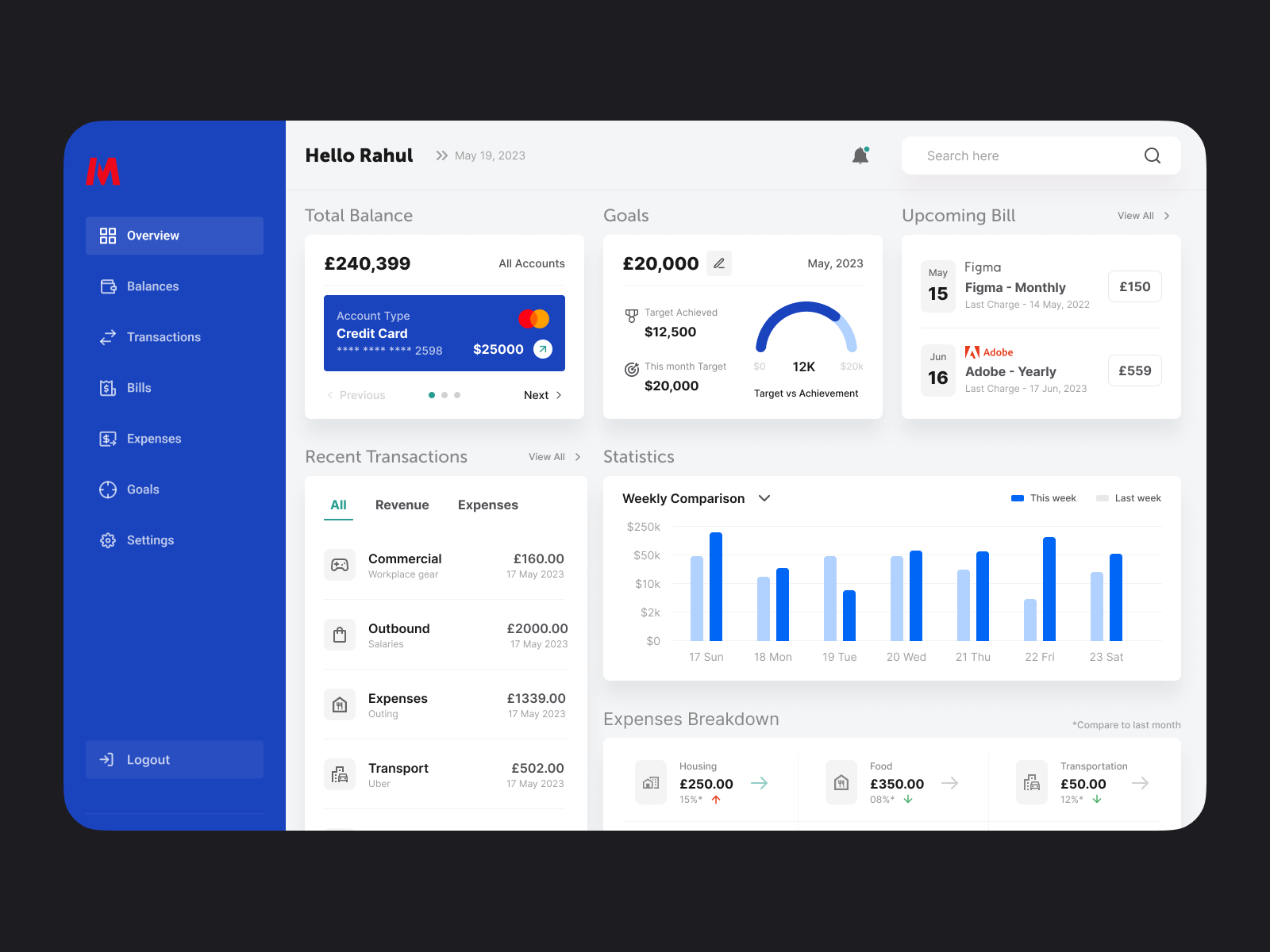
This is the thinnest page in my portfolio for rendered UI and the thickest for evidence, which is deliberate.
That 17% came from a single information-architecture change on the affected journeys, which is to say one cluster out of ten, shipped. The other nine are still sitting in the taxonomy, each one traceable back to the transcripts it came out of.