How Crazy Thinks
What Fincher's Mindhunter gets right about user research.
In the late 1970s, two FBI agents started interviewing convicted serial killers. Holden Ford and Bill Tench, as depicted in David Fincher’s Mindhunter, sat across from Ed Kemper, Charles Manson, and others. They weren’t after confessions. They wanted to know how these men thought.
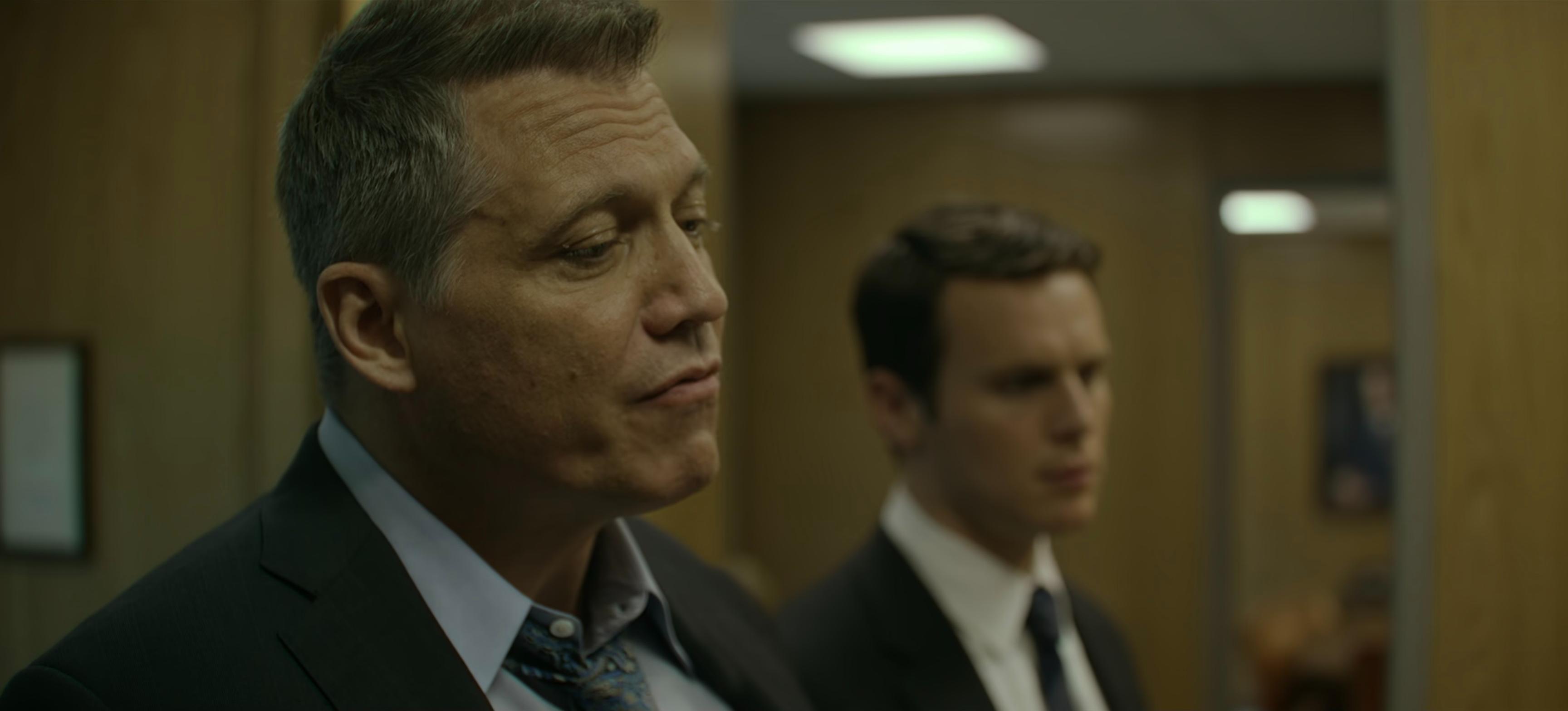
Criminal profiling and user research run into the same wall, which is that people don’t tell you the truth about their own behavior. Not because they’re lying. Memory is unreliable, ego is protective, and most of us genuinely can’t explain why we do what we do.
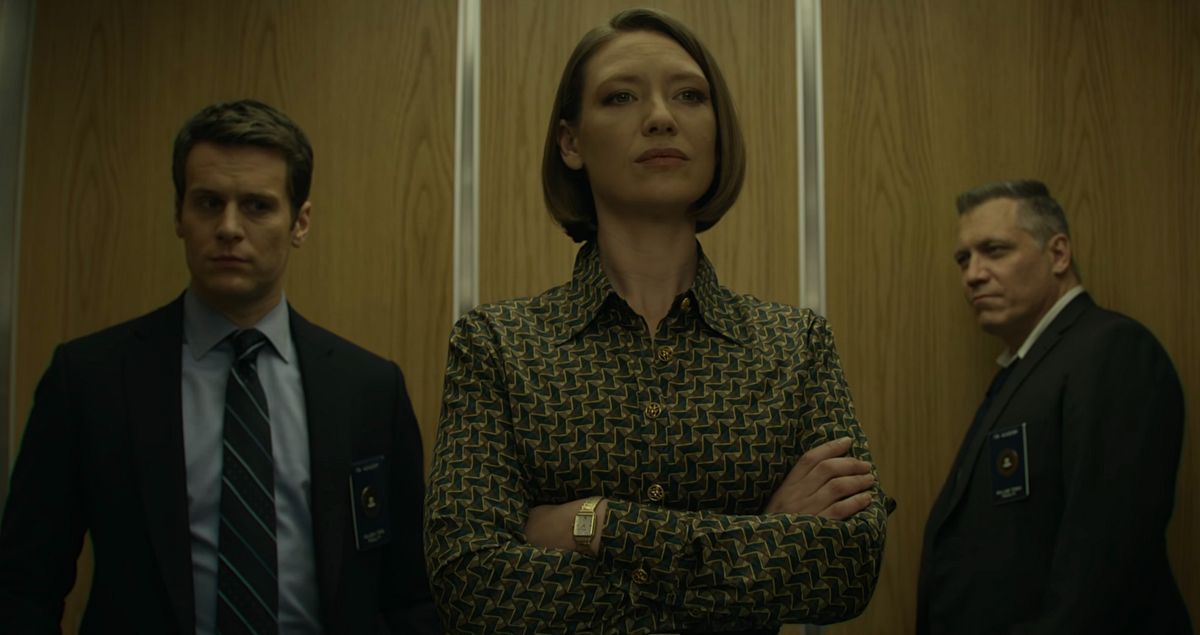
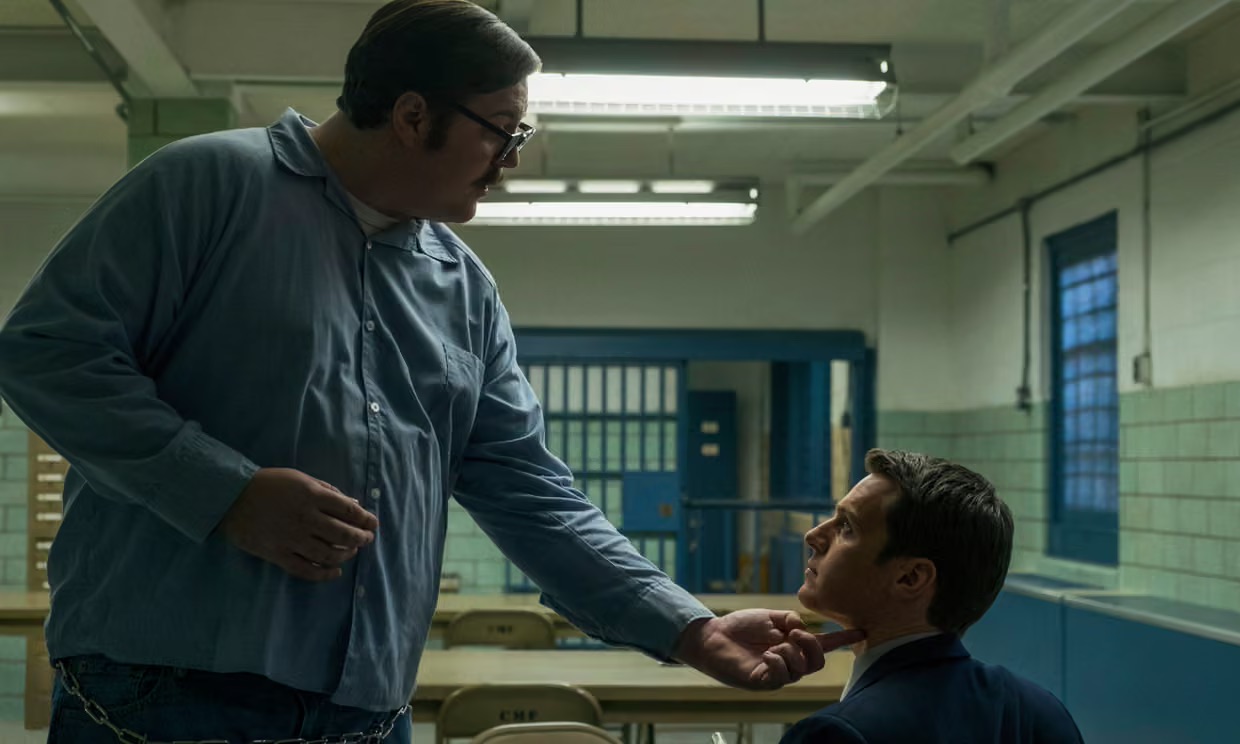
Analytics will tell you that 40% of users drop off at checkout step three. A conversation tells you they left because the shipping cost felt like a bait-and-switch. Ford could have read every case file in the building and none of it would have given him what he got from sitting three feet from Ed Kemper.
The interview
Empathetic detachment
Ford doesn’t jump into the crimes. He starts with small talk: prison life, interests, daily routine. When someone feels comfortable, they tell you real frustrations instead of performing for you.
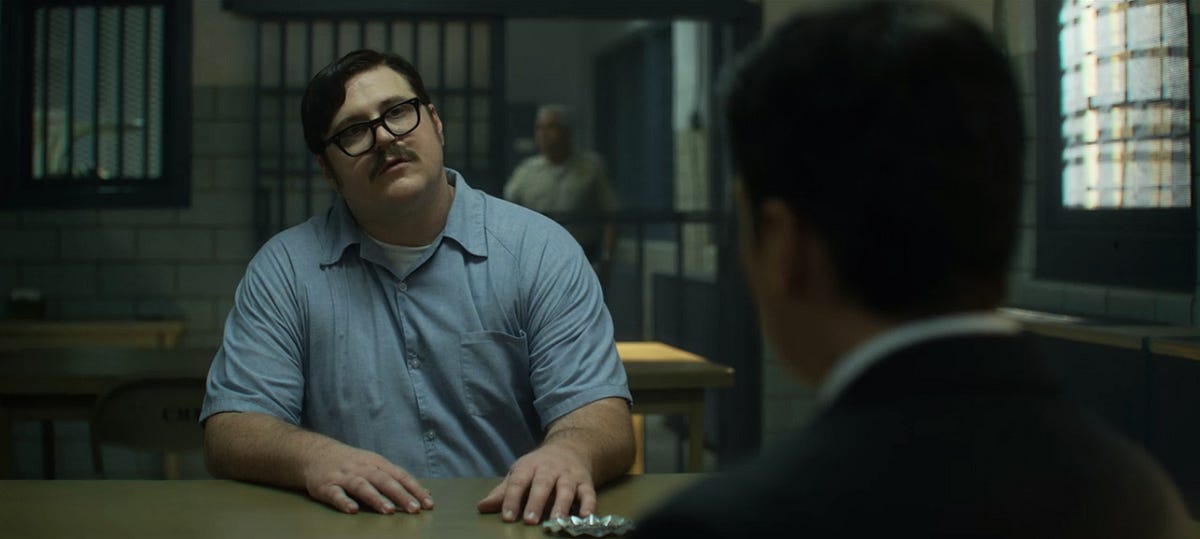
FBI agents interview killers without moral judgment. Researchers need the same detachment, and the hardest moment to hold it is when someone criticizes your design. The urge to defend it is enormous. That urge is your cue to lean in instead, because they’re showing you how they actually think about your product, which is the thing you came for.
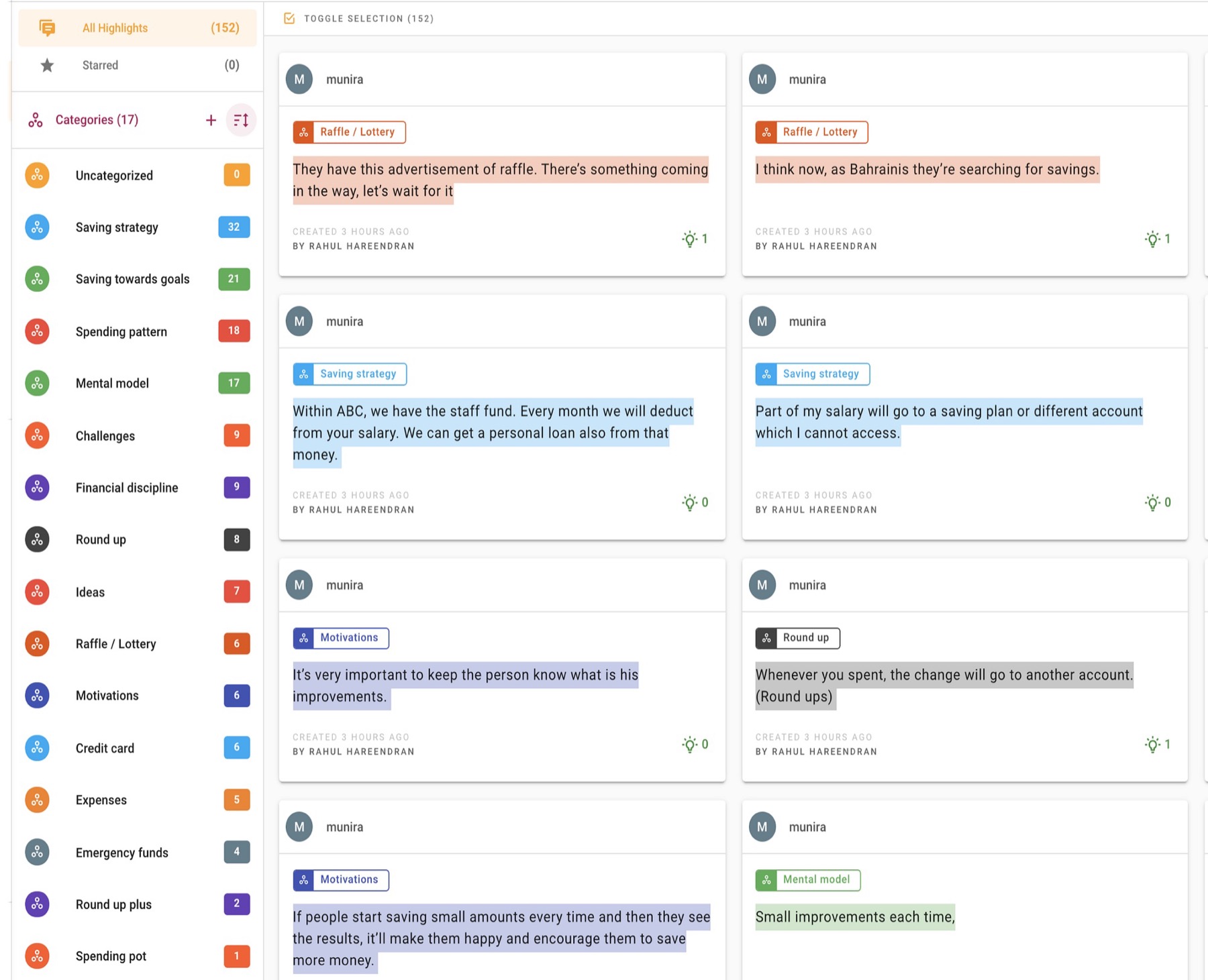
In interviews on a savings app, users kept mentioning raffles and lotteries as a factor in choosing where to invest. We hadn’t asked about it. It kept coming up anyway, unprompted, from different people. We built a feature that let users forego interest in exchange for raffle entry, and it came entirely from listening without steering.
Start with mundane questions, and use their words rather than your jargon. When they wander off the script, follow them a while before redirecting. The insights live in the detours.
Scripts vs. spontaneity
A script gives you consistency. Following it rigidly kills spontaneity. When someone mentions something you didn’t plan for, that’s the thread to pull.
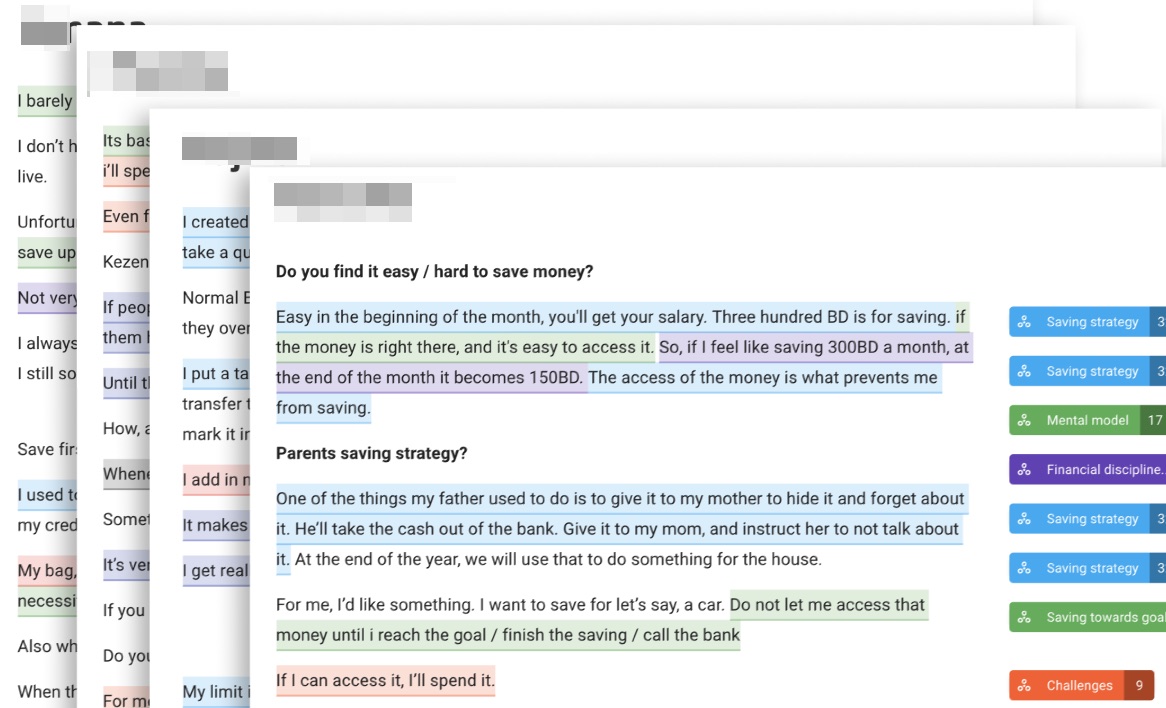
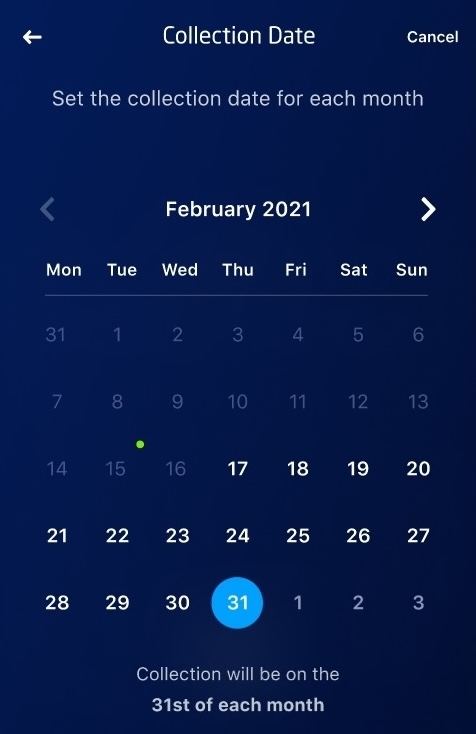
On the same savings app, a user mentioned that timing deposits to payday helped them save more. Nothing in my questionnaire pointed at it. We followed it anyway, and it shaped the entire product.
Asking the right questions
“Do you like our checkout process?” invites performance. Nobody wants to be rude. “Walk me through the last time you almost didn’t complete a purchase online” invites memory, and memory is where the real answer is.
Super users
Kemper became the BSU’s most valuable informant. Dr. Bryanna Fox said he cooperated because being consulted by the FBI made him feel special. Every researcher has met this person: the super user who’s deeply engaged, always available, full of opinions. Cultivate them. Just don’t over-index on them, because Kemper was still one data point.
From anecdotes to patterns
The real work happens after the recorder is off.
The BSU organized what they’d heard into a taxonomy: organized vs. disorganized offenders. Organized offenders were intelligent and methodical, brought tools to the scene, left little evidence. Disorganized offenders were spontaneous, used whatever was at hand, left evidence everywhere. Once you have those two buckets, the crime scene itself tells investigators which kind of person to look for.
Review transcripts, tag recurring themes, group them into categories that predict behavior. Simple to describe, and it takes longer than the interviews did.
On a credit card project, the industry splits users into “transactors” (clear their balance every month) and “revolvers” (carry debt). Clean categories, until several transactors mentioned they’d been revolvers in college. So these are life-stage behaviors, and a person moves between them, which the industry taxonomy has no way to say.
We also found security-conscious users who routed purchases through PayPal, feature-comparers who analyzed five banks before committing, and status-signalers who cared about card design as much as interest rates. One said “I want one of those Monzo orange cards!” Demographics predict none of this. The archetypes predict all of it.
Where interviews mislead you
Social desirability
People want to look good in front of you. “I love this feature.” Then the usage data says they’ve never touched it. Ask about past behavior, not hypotheticals.
Post-hoc rationalization
In credit card interviews, every single participant claimed to know their late payment interest rate. We checked. They consistently underestimated it. They weren’t lying to us. They’d built a version of their own financial literacy that felt true, and were reporting that. Focus on what they did, not what they say they did.
Rushed context
The interviews that give Mindhunter its best material are the later visits, after trust exists. One session buys you politeness. Diary studies, repeat interviews and a relationship that runs past the first hour are what buy you the rest.
Further reading
- Talal, Adrien. The case for empathy in UX Research: Through the lens of Mindhunter. Medium, 2018.
- Jameel, Zeeshan. What I learned about user interviews from watching Mindhunter. UX Collective, 2019.
- Cameron, Euan. Mindhunter: Getting inside the mind of your audience. The Yardstick Agency, 2024.
- User Interviews 101. Nielsen Norman Group, 2023.
- Trauma-Sensitive Research for User Researcher. UXPA, 2023.
- Kaplan, Kate. The Science of Silence: Intentional Silence as a Moderation Technique. Nielsen Norman Group, 2019.
- Fox, Bryanna. Edmund Kemper: Why Would a Serial Killer Help the FBI? A&E, 2025.
- Ressler, Robert K., et al. “Crime scene and profile characteristics of organized and disorganized murderers.” Journal of Interpersonal Violence, 1986.
- Bonn, Scott. Organized versus Disorganized Serial Predators. Psychology Today, 2018.
- Data tells you what users did. Research tells you why they did it. Friday Agency.
- The Power of Silence in Interviews. Academy of Continuing Education.
- Thematic Analysis in UX Research. Nielsen Norman Group, 2022.